
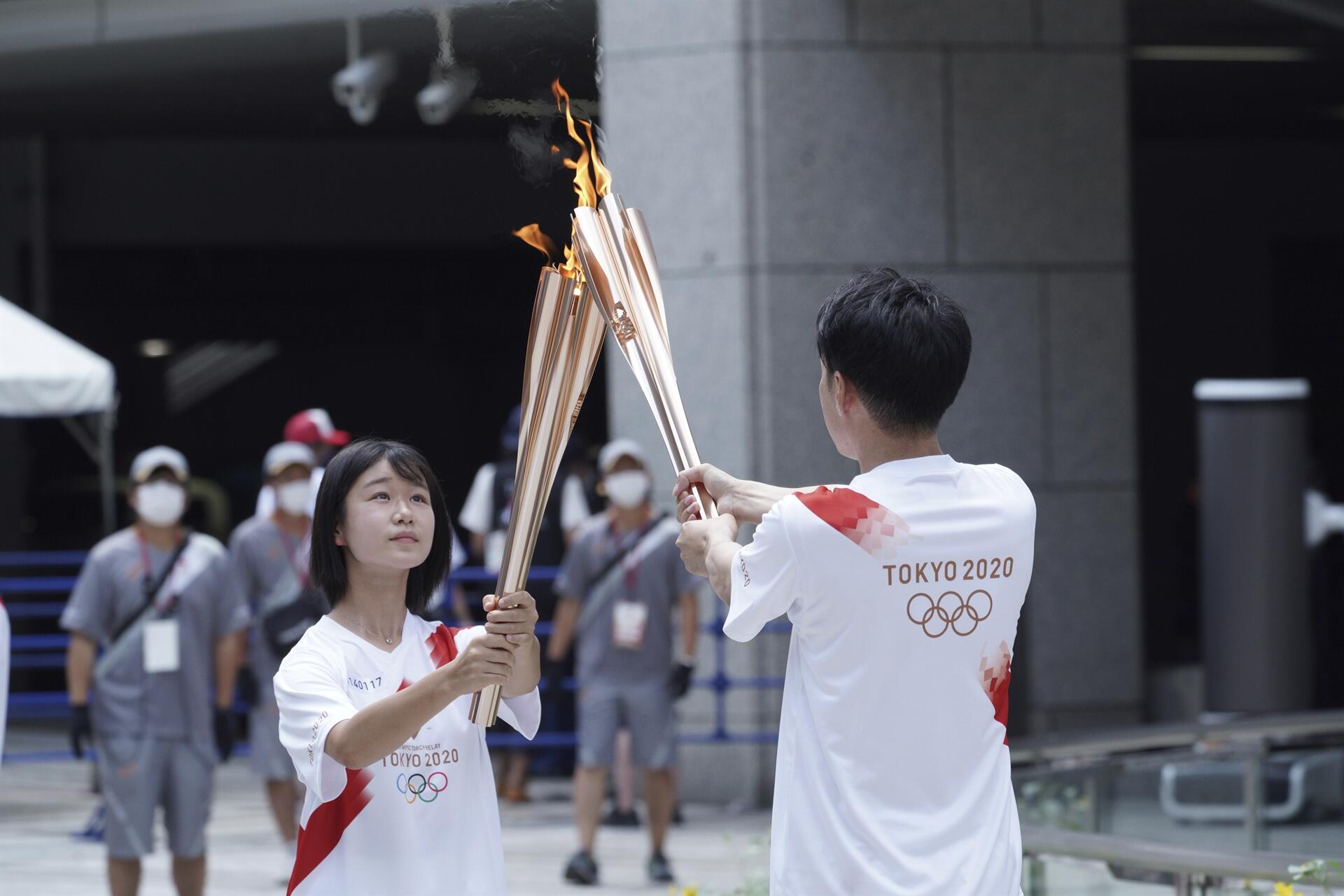
The most troubled Olympics in modern history finally under way in Tokyo on Friday, struggling to emerge from the clutches of Covid-19 following a one-year postponement after a build-up marred by scandal and controversy.
Eight years following gold ticker tape rained down as Tokyo celebrated winning the right to stage the Games, Friday’s opening ceremony will take place with the Japanese capital in a state of emergency.
There’s been fears that the global gathering of 11,000 athletes could trigger a colossal super-spreader event have prompted organisers to clamp the Games in a bio-secure straitjacket.

Pandemic restrictions mean that for the first time in Olympic history, no domestic or overseas spectators will be allowed to attend the Games.
Athletes and support staff and media are subject to strict Covid-19 protocols, including regular testing and daily health checks.
Sightseeing trips are not allowed, meaning that for the most part, athletes will be prevented from straying outside their accommodation or competition venues.
Based on public opinion, majority of Japanese people are against the Games, with opinion ranging from weary indifference to outright hostility. According to a poll by the Asahi Shimbun newspaper, 55% of respondents were against holding them this summer.
Friday’s opening ceremony – traditionally a highlight of any Summer Games with the parade of nations and lighting of the Olympic flame before several thousand athletes – will be drastically pared back.
Fewer than 1,000 dignitaries and officials will be present at the 68,000-seat Olympic Stadium for the traditional extravaganza, which gets under way at 13:00 SA time.


